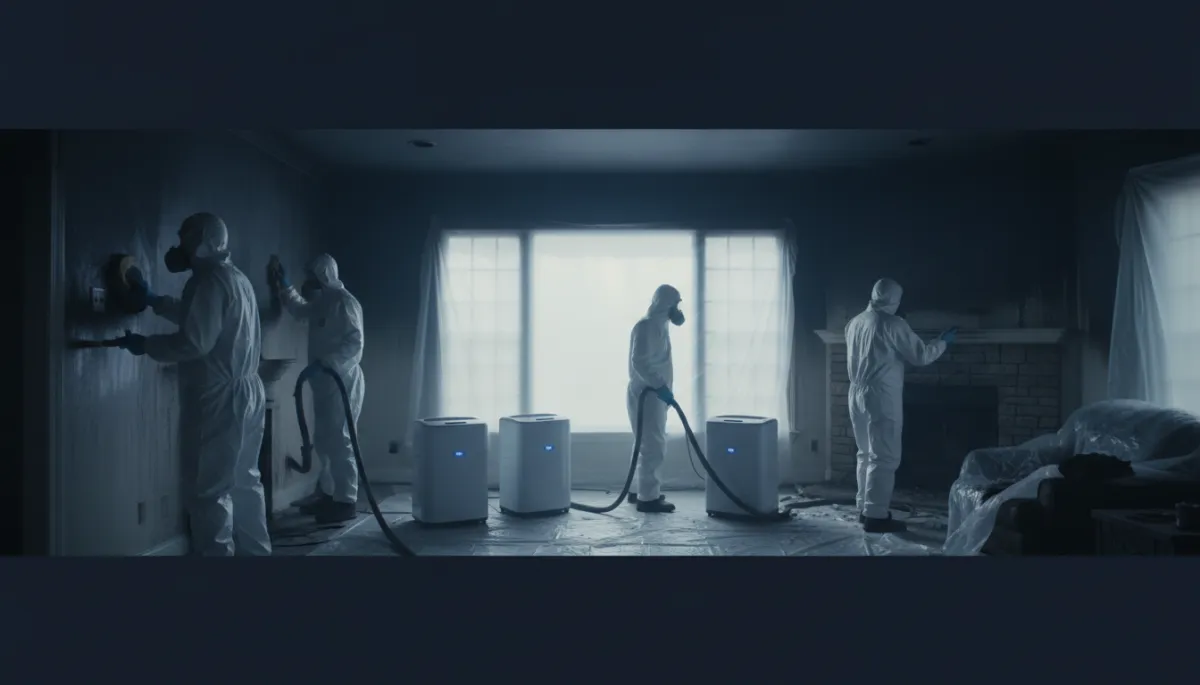
How Do I Get More Fire and Smoke Restoration Jobs?
Fire Restoration, Smoke Restoration Marketing, Restoration Contractor Marketing
How Do I Get More Fire and Smoke Restoration Jobs?
If you run a fire and smoke restoration company, your biggest challenge is simple: you need a steady flow of profitable fire damage restoration jobs, not random spikes followed by dry spells. To grow, you must control where your fire restoration leads come from, how reliably they show up, and how well you convert them into signed contracts. If you want a clear, step-by-step plan tailored to restoration businesses, get your free 12-month growth guide at growthshiftai.com .
1. How do I generate consistent fire and smoke restoration leads instead of random jobs?
Consistency comes from systems, not luck. You need multiple reliable channels working together: online visibility, referral partners, insurance relationships, and repeat customers. Think of your smoke restoration marketing as a lead machine with several parts. If one slows down, the others keep you busy and profitable.
Start with your ideal job profile. List the types of fire damage restoration jobs you want: size of loss, residential or commercial, emergency board‑ups, full rebuilds, or contents cleaning. Then build your marketing around attracting those specific jobs, not every possible call. This prevents wasted time on low-margin work and helps you focus your restoration contractor marketing on the right prospects.
- Channel 1: Organic search (people who find you on Google). When someone searches “fire damage cleanup near me” or “smoke odor removal after fire,” you want to show up in the top results. That requires a clear website, dedicated pages for fire and smoke services, and strong local SEO (even if you serve multiple areas). Use phrases like “fire restoration leads,” “fire damage restoration jobs,” and “smoke restoration marketing” naturally in your content, service pages, and FAQs so search engines understand exactly what you do.
- Channel 2: Paid search and emergency ads. For high-intent emergencies, ads on search platforms can put you at the top of results instantly. Target keywords tied to action: “emergency fire damage cleanup,” “24/7 board‑up,” “smoke damage restoration contractor.” Set strict geographic and time controls, and send traffic to a fast-loading emergency page with a clear phone number and form.
- Channel 3: Referral partners. Plumbers, roofers, electricians, HVAC techs, and general contractors often see damage first. They can be a major source of insurance restoration leads if you stay top of mind and make it easy for them to refer you (more on this later).
- Channel 4: Past customers and word-of-mouth. Fire and smoke events are emotional. If you take care of people, they remember you and tell others. Follow up after jobs, ask for reviews, and send simple check‑in emails or mailers reminding them you are the go‑to restoration contractor if disaster strikes again or if their friends need help.
The key is to track where every call comes from. Use a basic spreadsheet or CRM. If you see that insurance restoration leads, plumber referrals, or Google searches are driving most of your revenue, double down there with more time, budget, and process improvements. Consistency is the result of measuring and adjusting, not guessing.
2. How do I build strong relationships with insurance agents and adjusters without being pushy?
Insurance agents and adjusters can send you a steady stream of insurance restoration leads if you approach them the right way. They are busy, skeptical, and constantly pitched by vendors. Your goal is to make their jobs easier, not to beg for work. That means being reliable, responsive, and low‑friction to work with on every claim you touch.
Start by identifying agents and adjusters who frequently deal with property claims. Reach out with a short, direct message: who you are, what you specialize in (fire and smoke restoration, contents, rebuilds), and how you help them look good to policyholders. Offer something practical: a simple “restoration after a fire” checklist they can give clients, or a direct cell number for emergency coordination. Keep the focus on their needs, not your sales pitch.
- Be easy to reach. Provide a single 24/7 contact number and a backup. When they call, answer. If you miss it, call back fast. Speed builds trust more than any brochure or presentation ever will.
- Communicate clearly during jobs. Agents and adjusters want to know: What is the scope? What will it cost? How long will it take? Send concise updates at key points—after initial inspection, after mitigation, and before final invoicing. Avoid jargon and long stories. They appreciate clarity and predictability.
- Stay compliant and professional. Follow carrier guidelines, document thoroughly, and keep clean job files. When adjusters see that your paperwork is organized, photos are clear, and estimates are reasonable, they are more likely to recommend you again because you reduce friction on their claims.
Don’t disappear between jobs. Every month or two, send a short email or stop by with a quick update: new equipment you’ve added, certifications you’ve earned, or a reminder of your 24/7 response. Keep it brief, respectful, and helpful—no spam, no pressure. Over time, you become the default choice when they need a fire and smoke restoration contractor they can trust.
3. How do I convert emergency calls into signed restoration contracts at a higher rate?
Getting the phone to ring is only half the battle. The real money comes from converting those emergency calls into signed contracts. In fire and smoke events, homeowners and property managers are stressed, confused, and overwhelmed. If you want more fire damage restoration jobs, you must control the experience from the first ring to the final signature with a simple, repeatable process your whole team follows.
- Answer fast with a calm script. Train whoever answers the phone to follow a clear script: confirm safety, express empathy, gather basics (location, type of fire, extent of damage), and explain the next steps in plain language. People decide whether to trust you in the first 60–90 seconds. Confidence and clarity matter more than technical detail at this stage.
- Set expectations before you roll. Tell them exactly what will happen: how soon you arrive, what you will do first (board‑up, water removal, smoke odor control), and what paperwork is needed. This reduces cancellations and “we’ll think about it” responses when you show up on site.
- Use a simple, standard authorization form. On site, walk them through a short, easy‑to‑understand work authorization that covers emergency services. Avoid cluttered language and long legal paragraphs. Explain that this allows you to prevent further damage and that you will coordinate with their insurer on documentation and billing where appropriate. Make signing the form a standard step, not an optional afterthought.
- Explain the value clearly, not emotionally. Instead of pushing fear, explain the logical consequences of waiting: smoke odor setting in, corrosion on metal, deeper structural damage, and higher eventual costs. When people understand that acting now protects their property and speeds up their claim, they are more likely to sign immediately.
After emergency mitigation, you have another conversion opportunity: turning that emergency work into full repair and reconstruction. Present a clear scope, timeline, and process for handling the rebuild. Many companies lose profitable work here by assuming the client will automatically choose them. Don’t assume—ask directly for the rebuild and make it easy to say yes with transparent pricing and communication.
If you want a ready-made call script, objection responses, and follow‑up templates specifically for fire and smoke restoration, get your free 12-month growth guide at growthshiftai.com . Use it to train your office staff and field teams so every emergency call is handled the same way, every time.
4. How do I stand out online and beat competitors in a fast-response fire restoration niche?
Fire and smoke restoration is crowded. Many contractors claim “24/7 emergency response” and “fast service,” so those phrases alone don’t differentiate you. To win more fire restoration leads, you need to stand out in two places: online (where people search) and in the minds of referral partners (plumbers, roofers, agents, adjusters, and other contractors who see damage first).
Online visibility for restoration contractors
For smoke restoration marketing and fire damage work, most people search online at the moment they need help. Your website and profiles must answer their questions fast and prove you are credible and responsive. Focus on these basics before chasing advanced tactics:
- Clear website structure. Separate pages for fire damage restoration, smoke odor removal, contents cleaning, and reconstruction. Use plain language headings like “Fire Damage Restoration Services,” “Smoke Damage Cleanup,” and “24/7 Emergency Response.” This helps both search engines and humans understand what you offer.
- Strong calls to action. Every page should have a visible phone number, a short contact form, and clear instructions: “Call now for emergency response,” “Request a fire damage inspection,” etc. Don’t make visitors hunt for how to reach you.
- Real photos and proof. Show before‑and‑after photos of fire and smoke jobs, certifications, and short case summaries. People want to see that you’ve handled situations like theirs before and delivered results.
- Reviews and testimonials. Ask every satisfied customer to leave a review on major platforms. Respond to reviews professionally. High ratings and detailed comments about your speed, communication, and quality strongly influence who gets called first in an emergency.
Use your website content to answer the exact questions people ask: “How long does fire damage restoration take?”, “Can smoke odor be removed from my home?”, “Will insurance cover this?” This FAQ‑style content supports AEO (answer engine optimization) and helps you appear in voice search and featured answers, making you more visible when people ask urgent questions on their phones or smart devices.
Building referral pipelines with plumbers, roofers, and other contractors
Many of your best fire restoration leads will never search online. Instead, they will ask the first professional they see on site who they recommend. That’s why building referral pipelines with plumbers, roofers, electricians, HVAC companies, board‑up crews, and general contractors is critical. These partners often see smoke and fire damage or related issues (like electrical fires, roof damage, or sprinkler discharges) before anyone else.
- Identify natural partners. Make a list of trades that regularly encounter property damage: plumbers (burst pipes leading to fire from heaters or electrical contact), roofers (damaged roofs from fires), electricians (electrical fires), HVAC techs (smoke in duct systems), and general contractors (rebuild needs). These are your first‑tier referral sources.
- Offer mutual value. Don’t just ask them to send you work. Offer to refer them when your customers need their services. Create a simple one‑page sheet listing what you do, when to call you, and how you help their clients. Make it easy for them to look good when they recommend you.
- Stay top of mind. Check in regularly with quick texts, emails, or short visits. Share quick wins: “We just helped a client you referred last month get back into their home faster.” People keep referring to contractors who are visible, responsive, and appreciative.
Over time, a handful of strong referral partners can bring you a steady stream of high‑quality insurance restoration leads, often with less competition than online channels. Combine that with solid online visibility and strong call conversion, and you’ll see a major increase in the number and quality of fire damage restoration jobs you close each month.
Putting it all together
To stand out from competitors in a fast‑response niche, you must be three things: visible, responsive, and reliable. Visible through strong online presence and targeted smoke restoration marketing. Responsive by answering calls quickly and arriving when you say you will. Reliable by communicating clearly with customers, agents, adjusters, and referral partners, and by doing clean, professional work every time. When those pieces are in place, your restoration contractor marketing stops feeling random and starts delivering predictable growth.
If you’re ready to turn these ideas into a concrete plan for the next year—covering online visibility, referral systems, scripts, and follow‑ups tailored to fire and smoke restoration— get your free 12-month growth guide at growthshiftai.com . Use it as your roadmap to consistently win more of the right fire restoration leads and build a stronger, more predictable business.
