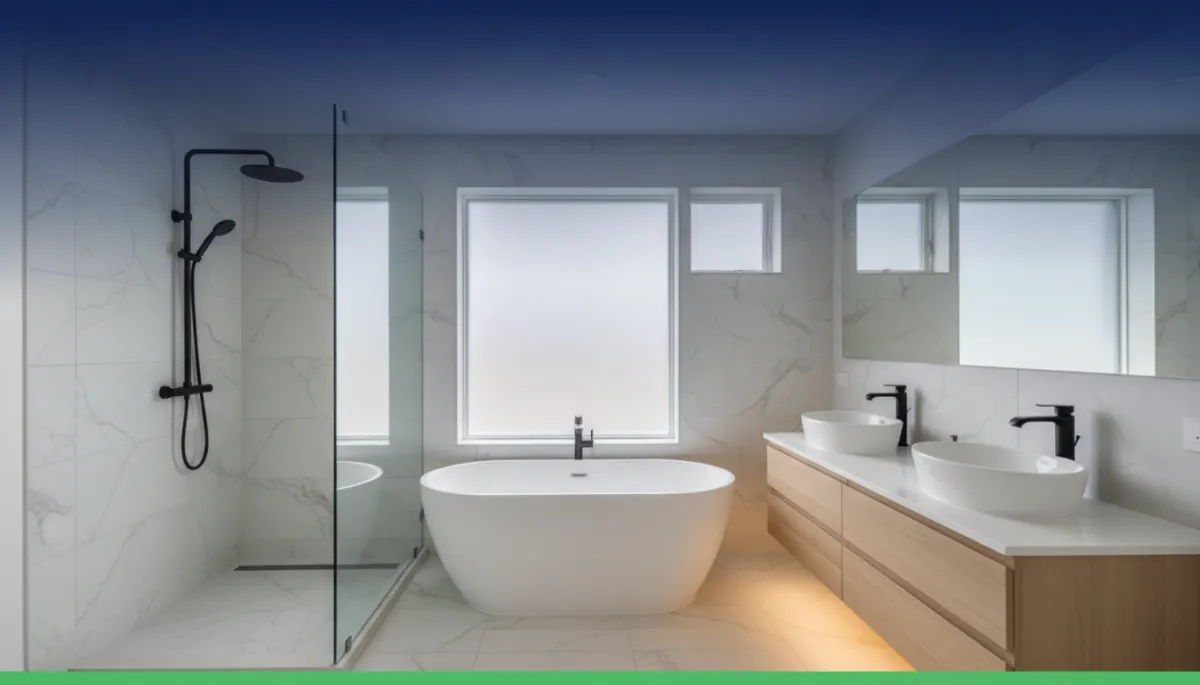
How Do Bathroom Remodeling Contractors Get More Clients?
Bathroom Remodeling, Lead Generation, Contractor Marketing
How Do Bathroom Remodeling Contractors Get More Clients?
If your schedule swings from slammed one month to dead the next, you don’t have a sales problem — you have a system problem. Bathroom remodeling contractors who win consistently don’t rely on luck, referrals that “just happen,” or the occasional ad; they run a repeatable process that brings in qualified leads and turns them into signed contracts week after week.
This article walks you through exactly how to do that. You’ll see why bathroom remodelers struggle to get consistent leads, how to build a referral and reputation system that actually runs, how AI-powered follow-up and CRM tools help you close more contracts, and what it really takes to stand out in a crowded market — without pretending to be a marketing agency or spending your life on social media.
Why Bathroom Remodelers Struggle to Get Consistent Leads
Most bathroom remodeling contractors struggle with consistent leads because their marketing is project-based, not system-based. When things slow down, you boost your efforts — post more on social, run a quick ad, call old prospects. As soon as the calendar fills, marketing gets dropped for production. A few months later, the pipeline dries up again and the cycle repeats.
On top of that, bathrooms are a high-intent, high-trust purchase. Homeowners don’t wake up and casually spend tens of thousands of dollars on tile and fixtures. They research, compare, ask neighbors, check reviews, and take their time. If you only show up when they finally fill out a form, you’re competing with every other contractor who got that same inquiry at the same time — usually on price and availability instead of value and trust.
There’s also the “jobsite trap.” You spend your best hours managing subs, solving problems, and keeping projects moving. By the time you sit down at night, you’re too tired to follow up with leads properly, update your website, or send a single email. Leads slip through the cracks, estimates go cold, and the only people who get your attention are the ones texting you every day — not always the best clients.
Finally, many remodelers treat their online presence like a business card instead of a sales tool. A few photos, a list of services, maybe a “contact us” form. No clear promise, no proof, no process, no reason for a homeowner to choose you over the next name on Google. When you combine all of this, you’re left with unpredictable leads, feast-or-famine sales, and constant pressure to “find the next job.”
Build a Referral and Reputation System (Not Just “Word of Mouth”)
The most profitable bathroom projects almost always come from referrals and reputation, but those only scale if you treat them like a system. A real referral system has clear steps, clear timing, and clear tools — it doesn’t depend on you “remembering to ask” when you’re rushing to finish a punch list.
Step 1: Design a 3-Stage Review and Referral Flow
- Pre-completion check-in: A week before final walkthrough, confirm they’re happy so far and plant the seed: “If we earn a five-star experience, I’ll send you a quick link to leave a review. It really helps homeowners find good contractors.”
- Day-of completion: At the final walkthrough, when they’re excited about the new bathroom, ask directly: “Would you be willing to leave a short review about your experience? I’ll text you a link so it only takes a minute.”
- Post-completion follow-up: Within 24 hours, send a text and email with a single, simple link to your main review platform. Thank them, remind them how much it helps, and make it easy to click and write.
The same structure applies to referrals. Don’t wait and hope they talk about you. Build it into your process: after the review, send a short message explaining the type of projects and clients you serve best and invite them to share your contact with anyone they know who’s planning a bathroom remodel in the next year.
Step 2: Make It Ridiculously Easy to Give You Social Proof
Homeowners are busy. If leaving you a review or sharing your name takes effort, it won’t happen. Use short, direct scripts, clear links, and simple asks. Offer to take “after” photos on your phone and text them to the client so they can post on their own social media and tag your business. That one tagged post can be worth more than any ad you run, because it comes from someone they already trust.
Over time, this builds a visible trail: reviews on major platforms, tagged posts, testimonials on your website, and a reputation that follows you into every new lead conversation. When prospects look you up — and they do — they see proof instead of just promises. That makes every lead easier to close and every quote a little less price-sensitive.
If you want a clear, step-by-step plan to put this system in place without guessing, get your free 12-month growth guide at growthshiftai.com.
Use AI-Powered Follow-Up and CRM Tools to Close More Contracts
The fastest way to increase signed contracts is to get better at follow-up, and AI-powered CRM tools are built to do exactly that. Most contractors don’t have a lead problem as much as they have a “lost in the inbox” problem. A homeowner fills out a form, you call once, maybe send an estimate, and then the conversation goes cold because no one is nudging it along.
What an AI-Backed Follow-Up System Actually Does
- Captures every lead in one place: Website forms, call-ins, social DMs, and referral leads all land in a single CRM pipeline instead of scattered across your phone, email, and sticky notes.
- Sends instant, professional responses: When a lead comes in, they immediately get a confirmation text or email, a brief intro to your process, and a link to book a call or consultation — without you touching your phone.
- Automates nurture sequences: Prospects who aren’t ready yet receive a steady, helpful drip of content — before-and-after projects, FAQs, process explanations, and reminders — so when they are ready, you’re the first person they think of.
- Tracks every stage of the deal: You can see who has requested an estimate, who has received one, who has gone silent, and who is ready to sign — and the system can trigger follow-ups based on each stage.
Why This Matters for Bathroom Projects Specifically
Bathroom remodels often involve multiple decision-makers, financing questions, and design choices. That means they rarely close on the first call. If you’re not staying in front of the homeowner — answering concerns, reminding them of next steps, and reinforcing your value — a competitor who does follow up will win the project even if their work is no better than yours.
AI tools help you sound like the professional you are, even when you’re on a ladder or at the supply house. They can draft follow-up messages that match your tone, schedule check-in texts after estimates go out, and alert you when a prospect opens your proposal so you can call at the right moment. The human relationship is still yours; the software just makes sure nothing gets forgotten.
To see how a simple, contractor-friendly system can run this for you month after month, get your free 12-month growth guide at growthshiftai.com.
How to Stand Out in a Competitive Bathroom Remodeling Market
In a crowded market, you stand out by being specific, consistent, and transparent — not by shouting louder. Homeowners are overwhelmed by generic promises: “quality work,” “fair pricing,” “we treat your home like our own.” You win when you show exactly who you serve, what you specialize in, and how your process works from first call to final clean-up.
Narrow Your Message, Not Your Opportunity
“We do it all” is a weak marketing message. Instead, lead with what you’re best at: master bathroom transformations, tub-to-shower conversions, aging-in-place upgrades, or high-end tile work. You can still take other projects, but your public message should be crystal clear. When a homeowner sees your site or ad and thinks, “That’s exactly what we want,” you’ve already separated yourself from the generalists.
Show Your Process Like a Step-by-Step Roadmap
One of the biggest fears homeowners have is chaos — not knowing who’s coming when, how long the bathroom will be torn up, or what happens if something goes wrong. Turn your process into a simple, named system: for example, a five-step “Bathroom Clarity Plan” that walks them from consultation to design, demo, install, and final walkthrough. Put this on your website, in your proposals, and in your emails so every prospect feels guided instead of guessing.
Use Proof and Education Instead of Discounts
Competing on price is a race to the bottom. Competing on proof and education is how you protect your margins. Build a simple “project library” of completed bathrooms with short descriptions: what the client wanted, the main challenges, and how you solved them. Add a few lines about material choices, waterproofing details, or layout improvements. This positions you as a guide and expert, not just a bidder.
FAQ: Common Questions Bathroom Remodeling Contractors Ask About Getting Clients
1. What is the fastest way to get more bathroom remodeling leads?
The fastest way to get more bathroom remodeling leads is to re-activate people who already know you — past clients, old inquiries, and current estimates. Instead of starting from scratch with new ads, send a short, direct message to your existing list offering a limited number of bathroom design consultations or site visits in the next two weeks. Many of those homeowners were interested once and simply got busy or distracted. A clear, time-bound offer pulls them back into motion much faster than waiting for cold prospects to find you online.
2. How many leads do I really need to keep my bathroom remodeling crew busy?
You need enough qualified leads to comfortably hit your sales target, not an endless stream of price shoppers. Start by working backward: define your average project size, your close rate on qualified estimates, and your monthly revenue goal. From there, you can estimate how many real opportunities you need. For many small to mid-size bathroom remodeling companies, a smaller number of well-qualified leads — supported by strong follow-up and a solid reputation — is far more valuable than a high volume of unfiltered inquiries that waste time and drag your team down.
3. Do bathroom remodelers really need a CRM, or is that overkill?
Bathroom remodelers absolutely benefit from a CRM because it turns every lead, estimate, and job into a trackable pipeline instead of a guessing game. Even a simple, contractor-focused CRM helps you see who is at each stage, what the next action is, and where deals are stalling. You don’t need a complex enterprise system; you need something that captures leads automatically, organizes your follow-ups, and reminds you when it’s time to call, text, or send updated information. When you add AI-powered messaging on top of that, you get the best of both worlds: your expertise and a machine that never forgets to follow up.
4. How long does it take to see results from a referral and reputation system?
You can see early results from a referral and reputation system within a few projects, but the real power shows up over the next 6–12 months. Each completed bathroom adds another review, another set of photos, and another group of people who can talk about your work. That compounds. After a year of consistently asking for reviews, sharing finished projects, and following up with past clients, you’ll notice that more of your leads come in pre-sold — they’ve already seen your work or heard about you from someone they trust, so your sales conversations become shorter, smoother, and less focused on price alone.
Bringing It All Together: From Random Jobs to a Predictable Pipeline
Getting more bathroom remodeling clients isn’t about chasing every new marketing trick; it’s about putting a few solid systems in place and running them consistently. First, fix the root problem by moving away from project-based marketing and building a steady engine: a clear message, a visible reputation, and a reliable way to capture and follow up with every lead. Second, turn each completed job into a marketing asset through reviews, referrals, and documented results. Third, let AI-powered CRM tools handle the repetitive follow-up so you can focus on selling and delivering great projects instead of babysitting your inbox.
When you do this, your calendar stops depending on luck. You start each month knowing how many opportunities are in your pipeline, which prospects are close to signing, and where your next projects are likely to come from. That’s the difference between running from job to job and running an actual bathroom remodeling business with predictable growth.
If you’re ready to turn these ideas into a concrete, month-by-month action plan tailored to contractors, get your free 12-month growth guide at growthshiftai.com and start building a pipeline that works as hard as you do.
